
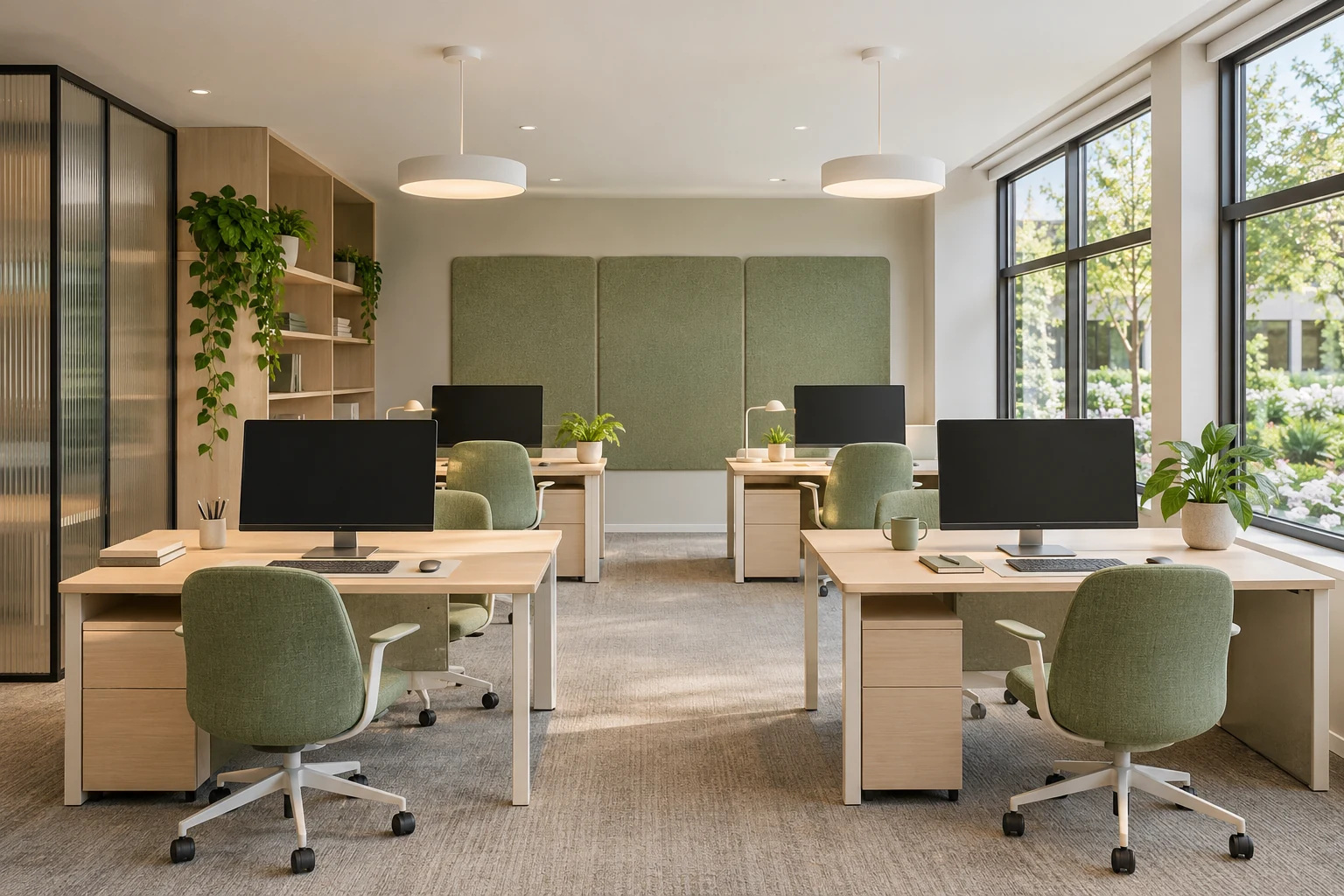
A clear brief makes it easier to compare a small office, its services and the commitment behind the lease.
Name the activities
List the work that needs a quiet corner, the conversations that need a separate room and the equipment that needs a reliable place. A useful workplace brief describes activities before it describes a preferred style of furniture.
Look at the supporting spaces
A meeting room, kitchenette, arrival area and storage cupboard all affect how the central room feels. Ask about ventilation, power, network access, visitor arrangements and accessibility. Confirm services in writing rather than assuming they are included in a photograph.
Read the wider commitment
Base rent is only one part of a real occupancy decision. Charges, fit-out, maintenance, permitted use and lease terms can matter just as much. This fictional workspace guide is an example planning tool; seek appropriate independent advice before entering a real agreement.
Prepare a simple occupancy brief
Write down the number of people, the kind of calls or meetings, the equipment and the hours you expect the space to support. Add a line for visitors, deliveries and the storage that tends to grow after the first month. Ask which services are included and which need a separate arrangement. A clear brief makes it easier to compare different spaces without judging them only by the same attractive furniture. Keep any proposed fit-out or operational change subject to the permissions and professional checks appropriate to a real building.

Owen Reed
Owen enjoys helping people understand how a building can support a changing routine. He pays particular attention to access, flexible rooms and the responsibilities that sit behind a lease or a sale.



Reader perspectives
Riley Brooks
Listing the activities before choosing furniture is a helpful starting point. I would want a quiet room for calls as well as a generous central workspace.
Original fictional reader perspective